


Solar Tuk Tuk: The Future of Green Mobility
In the global movement toward energy transition and carbon reduction, transportation is undergoing a profound revolution. From internal combustion engines to electric vehicles, and now to the emerging Solar Tuk Tuk, the pursuit of cleaner and more sustainable mobility has never stopped.
As a unique combination of affordability, environmental protection, and practicality, the solar tuk tuk (also known as a solar powered tuk tuk) is gradually becoming the next-generation solution for short-distance urban and rural travel.
A Model for Green Travel: Energy Efficiency and Environmental Protection
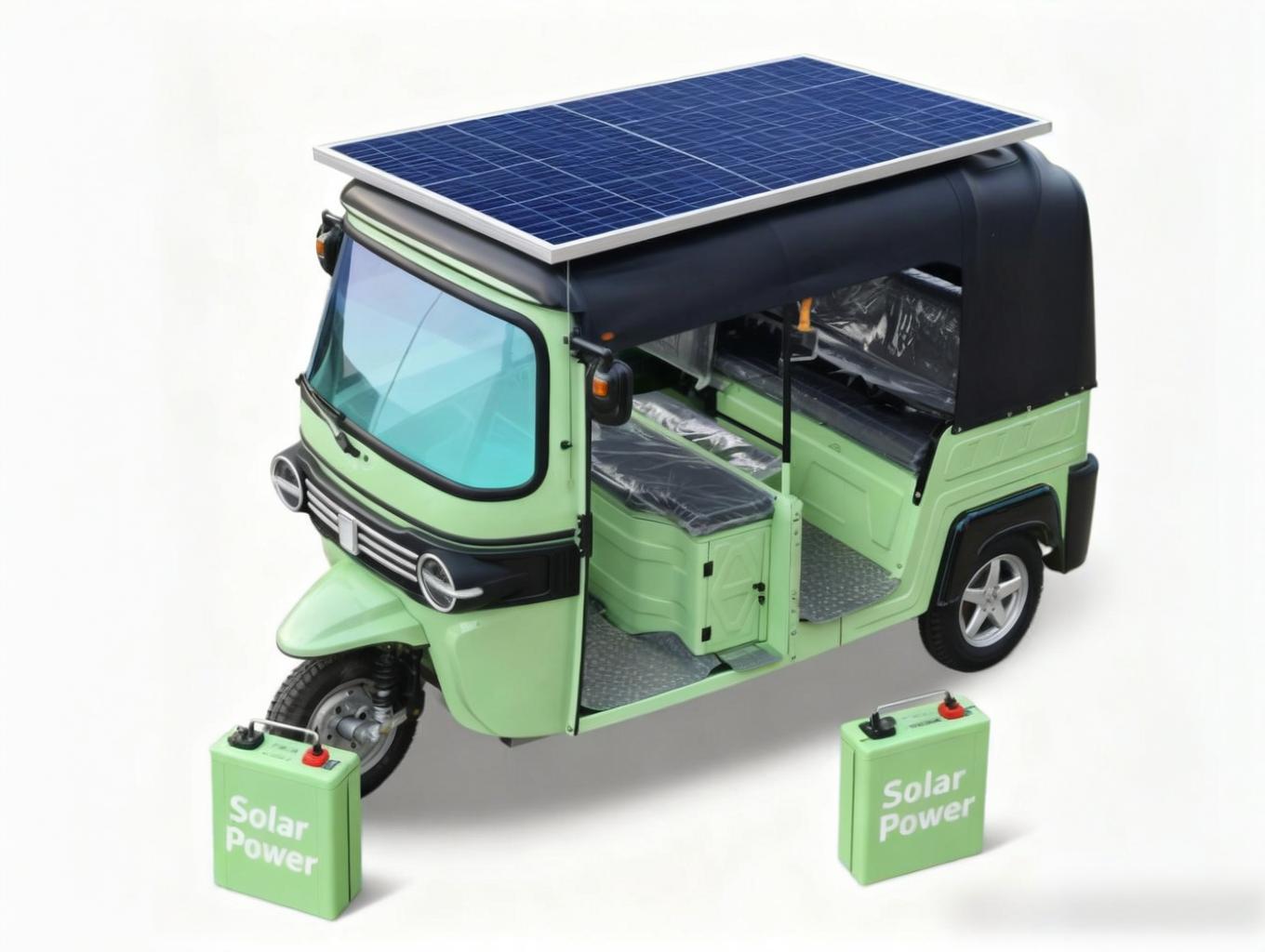
The greatest strength of a solar tuk tuk lies in its ability to harness clean solar energy, dramatically reducing both carbon emissions and air pollution. Traditional tuk tuks powered by gasoline or diesel are known for high fuel consumption, noise, and tailpipe emissions. By contrast, the solar tuk tuk uses photovoltaic panels to convert sunlight into electricity, achieving true zero-emission operation.
According to UNEP research, replacing each fuel-powered three-wheeler with a solar powered tuk tuk can cut over 2 tons of CO₂ emissions per year. This shift plays a vital role in improving air quality and reducing the greenhouse effect in densely populated cities.
Solar energy is renewable, abundant, and cost-free. Even on cloudy days or at night, the vehicle operates on stored power via its battery system, ensuring uninterrupted mobility. As noted by the Sustainable Development Goals (SDG) Local Action initiative, the solar tuk tuk model has already begun transforming communities in regions like Guatemala, proving that sustainable transport can improve both economic and social wellbeing.
Sunlight and Storage: The Power of Photovoltaic and Lithium Battery Systems
At the heart of every solar tuk tuk lies a highly efficient photovoltaic (PV) and lithium battery system. The PV modules—typically made from monocrystalline silicon—achieve conversion rates between 22% and 25%, with advanced MPPT (Maximum Power Point Tracking) controllers boosting performance by up to 30%. The use of lightweight aluminum and tempered glass ensures long service life and excellent durability under harsh conditions.
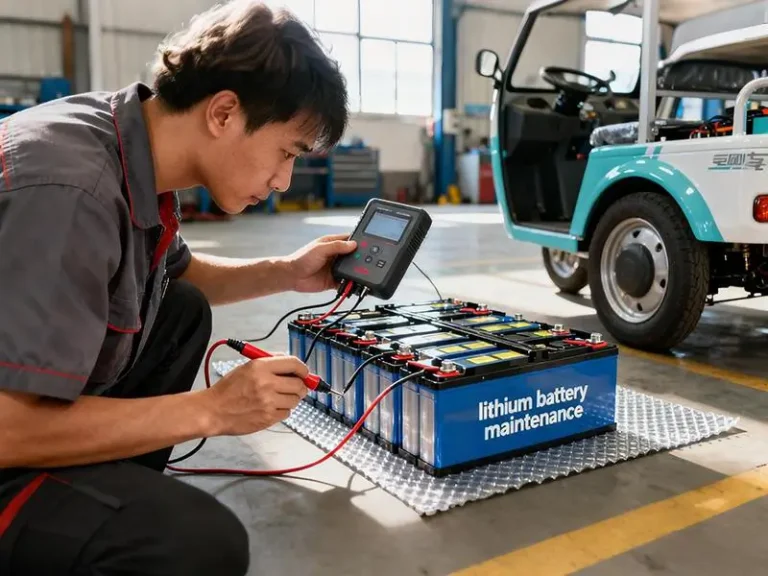
Complementing the PV panels, modern solar tuk tuks are equipped with high-capacity lithium batteries, which outperform traditional lead-acid types in almost every respect. Lithium batteries provide higher energy density, faster charging speeds, and up to 3,000 charge cycles, delivering 30% longer range and greater operational reliability. They are managed by an intelligent Battery Management System (BMS) that ensures stable operation and prevents overcharging or overheating—an especially critical feature for hot climates in Southeast Asia and Africa.
As CleanTechnica’s clean transport analysis highlights, the pairing of solar panels and lithium batteries forms a scalable foundation for affordable, off-grid mobility in developing economies.
Economic and Social Benefits: Low Cost and High Impact
From an economic standpoint, solar tuk tuks significantly reduce operational expenses—by as much as 80% compared to traditional fuel-powered vehicles. The main energy source, sunlight, is free, and the motor-driven system requires minimal maintenance.
In addition, the vehicle’s simplified design and durable lithium system lead to fewer breakdowns and longer service intervals, saving operators both time and money. For many small entrepreneurs in Asia and Africa, the solar tuk tuk represents not just a vehicle, but a sustainable business model.
Beyond financial savings, solar tuk tuks also create green jobs and foster local industry. Countries such as India and the Philippines have rolled out solar mobility subsidy programs, supporting small drivers in adopting solar-electric vehicles. This policy-driven growth stimulates new employment in photovoltaic manufacturing, battery assembly, and vehicle servicing — all contributing to a broader green economy.
Technological Progress and Overcoming Challenges
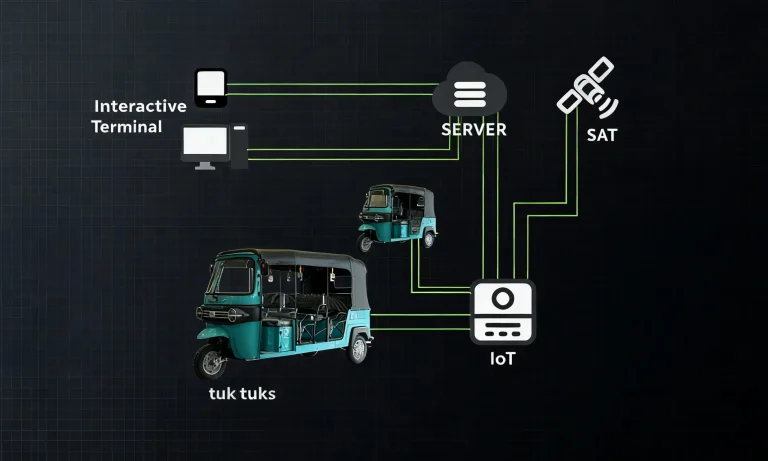
Modern solar tuk tuks integrate not only renewable energy but also smart mobility technology. Advanced systems such as EMS (Energy Management Systems), MPPT, and BMS work in tandem to optimize energy usage. Real-time IoT connectivity enables remote diagnostics, performance tracking, and predictive maintenance.
However, two main challenges persist:
- Higher Initial Cost – The upfront cost of a solar tuk tuk is typically higher than that of conventional electric or gasoline models.
- Dependence on Sunlight – Vehicle efficiency can decline in low-sunlight regions or during prolonged cloudy weather.
Proposed Solutions:
- Government Incentives and Subsidies: Policymakers can help offset initial purchase costs through renewable energy grants and low-interest financing.
- Hybrid Power Design: Many manufacturers now incorporate dual charging systems, allowing both solar and grid-based charging, ensuring consistent performance.
- Technology Improvements: Ongoing advancements in solar cell efficiency and battery energy density will continue to reduce costs and improve reliability.
As reported by AZoM’s review of electric mobility materials, research into lightweight body structures, next-gen lithium chemistry, and advanced PV coatings is further optimizing solar-electric efficiency, ensuring these vehicles can thrive even in less sunny regions.
Global Adoption and Policy Support
The momentum behind solar tuk tuks is bolstered by global commitments to carbon neutrality. Governments across Asia, Africa, and Latin America have started integrating “PV + Storage Transportation” into national green mobility plans.
In Kenya, for instance, the Solar E-Mobility Program supports fleets of solar-powered tricycles for urban deliveries and last-mile logistics. In Thailand and Indonesia, new policies provide tax reductions and microloans for drivers transitioning from fuel to solar tuk tuks, accelerating both adoption and local production capacity.
FAQ About Solar Tuk Tuks
How does a solar tuk tuk operate without sunlight?
it uses stored energy from its lithium battery system, which charges during daylight hours. Many models also feature plug-in hybrid capability, allowing for grid charging when sunlight is insufficient.
What is the driving range?
Typical solar tuk tuks cover 80–120 km per charge, with solar panels continuously extending range during daylight.
How long do components last?
Solar panels typically last 15–20 years, and lithium batteries endure 2,000–3,000 cycles, translating to 5–8 years of daily operation.
Conclusion: Sunlight Drives the Future
The Solar Tuk Tuk represents the convergence of clean energy, smart technology, and sustainable economics. It is more than a mode of transport — it’s a movement toward a cleaner planet and a more equitable future.
With the combined power of policy support, technological progress, and renewable innovation, the solar powered tuk tuk will play a defining role in the transition to low-carbon transportation — truly letting sunlight drive the world forward.