


The New Era of IoT Tuk Tuks: The IoT Management Revolution for Tuk Tuks
In Africa and Southeast Asia, Tuk Tuks are not only a primary means of short-distance urban transport but also play a growing role in logistics, tourism, and shared mobility. With the rise of IoT Tuk Tuk technology, local manufacturers and operators can improve safety, reliability, and operational efficiency like never before.
For Tuk Tuk manufacturers and operators, integrating IoT is not merely a technical upgrade—it is a strategic solution for managing complex roads, dispersed fleets, and diverse usage scenarios.
By embedding IoT tracking and monitoring systems directly at the factory, manufacturers can provide fleet operators, rental companies, logistics providers, and financial partners with real-time insights, predictive maintenance, and enhanced asset security, enhancing brand competitiveness and building user trust.
1. Core Strategies for Africa and Southeast Asia: Intelligence and Data Value
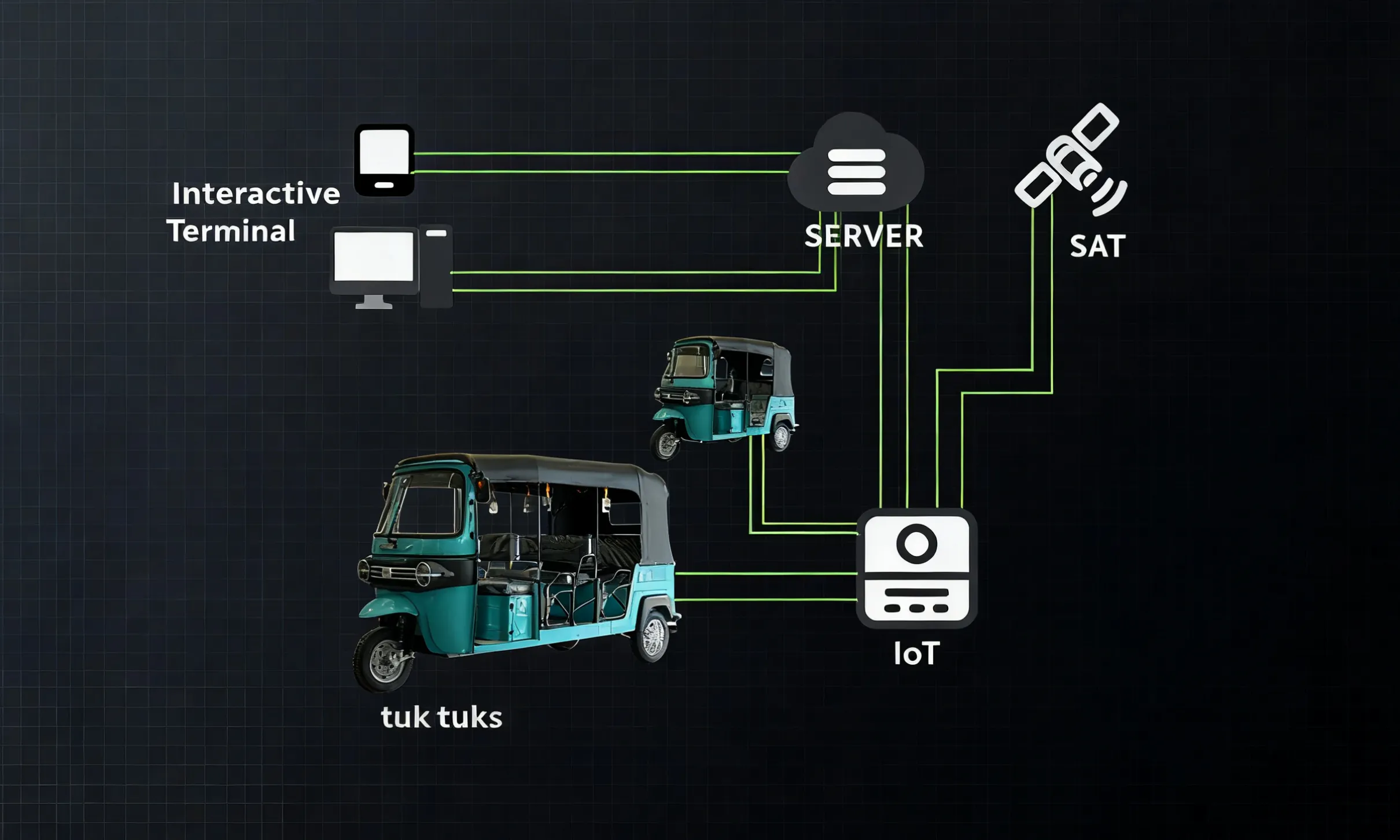
In these markets, Tuk Tuks often face challenging road conditions, unstable electricity supply, and dispersed fleet management. IoT technology is the foundation of Connected Tuk Tuk, providing:
- Real-time vehicle location and status to prevent loss or theft
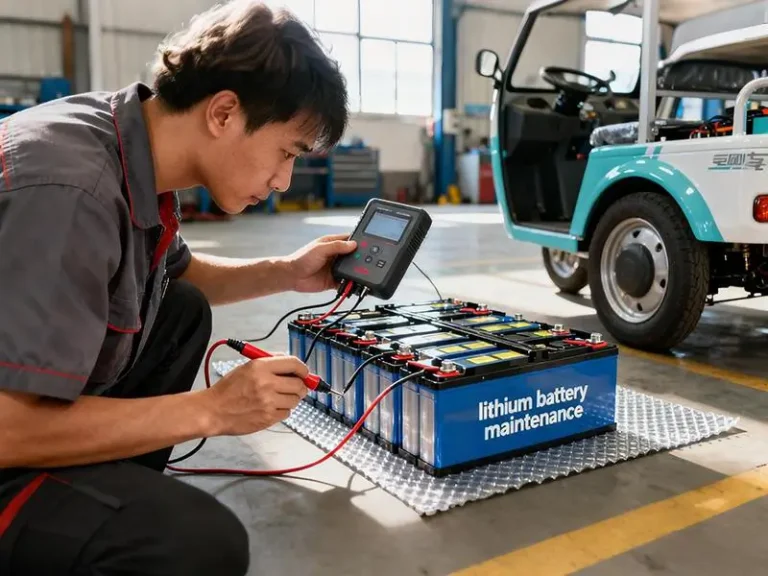
- Battery health monitoring to avoid unexpected downtime
- Vehicle usage data analysis for optimized fleet management
IoT Tuk Tuk Key Function Modules and Value:
- Battery Level: Real-time battery monitoring to handle long-distance operations and power instability, extending battery life.
- Fault Data: Remote diagnostics with fault codes and timestamps reduce maintenance time, suitable for regions with limited repair resources.
- Tire Pressure Sensor: Monitors tire conditions, reducing safety risks on rough or muddy roads.
- Mileage Tracking: Records daily and total mileage for maintenance planning and rental operations.
- Riding Time: Identifies overused or idle vehicles for efficient dispatch.
- Speed Information: Ensures compliance with city or tourist area speed limits for safety.
- Remote Lock/Unlock: Anti-theft and keyless operation, ideal for rental or shared mobility.
- Electronic Fence (Geo-Fencing): Restricts vehicles to authorized areas, preventing theft or misuse.
- Bluetooth Connectivity: Enables user authentication and offline data sync, suitable for areas with unstable networks.
1.1 Remote Diagnostics and Predictive Maintenance
Remote Diagnostics:
IoT Tuk Tuks continuously monitor key parameters like battery voltage, motor temperature, and tire pressure. In Africa and Southeast Asia, this allows operators to detect anomalies early, reducing revenue losses caused by breakdowns.
Predictive Maintenance:
By analyzing long-term operational data, manufacturers and operators can anticipate component failures and proactively maintain or replace parts, ensuring higher reliability and durability in regions with limited repair resources.
1.2 Data-Driven Product Improvement
IoT platforms collect usage data that help manufacturers optimize Tuk Tuk design for local conditions:
- Improve motor cooling systems for hot and humid climates
- Enhance suspension for rough or uneven roads
- Adjust battery capacity and charging strategies for unstable electricity supply
This data feedback loop ensures Tuk Tuks remain durable, reliable, and well-adapted to emerging markets.
2. IoT Business Model Applications in Emerging Markets
IoT not only changes the product but also how value is created—shifting from one-time sales to continuous service and data-driven operations.
2.1 Enhanced Security and Anti-Theft Features
In Africa and Southeast Asia, vehicle theft is a common concern. Built-in IoT GPS and geo-fencing enable:
- Real-time vehicle tracking
- Alerts or restrictions when vehicles exit designated areas
- Remote locking to prevent unauthorized use
These features improve security, increase resale value, and strengthen brand reputation.
2.2 Supporting Fleet-as-a-Service (FaaS) Models
IoT enables operators to offer data-driven subscription and management services:
- Speed Control Services: Automatically enforce speed limits in cities, schools, or tourist areas using GPS and IoT data
- Fleet Utilization Reports: Optimize fleet deployment based on mileage and riding time
- Energy Efficiency and Cost Optimization: AI-driven insights for fleet rotation and battery management
2.3 Supporting Tuk Tuk Rental and Installment Purchase Models
Rental Operations:
- Real-time monitoring of location, usage, and battery level streamlines fleet management
- Keyless start and remote lock reduce labor costs
- Restrict driving zones and recover overdue vehicles efficiently
Installment Purchase:
- IoT data supports financial institutions in monitoring asset status
- Remote lock can be triggered to prevent misuse or overdue payments
- Enables secure, scalable “lease-to-own” or financing solutions, reducing credit risk
Cloud-based visualization and management provide end-to-end visibility across vehicles, users, and financing.
3. Enhancing User Experience and Market Adaptability
IoT technology also improves the user experience for drivers and passengers:
- Personalized Travel: Onboard systems offer navigation, pace-of-play guidance, and communication tools
- Keyless Operation: Bluetooth and digital access codes turn smartphones into keys
- Smart Maintenance Alerts: Real-time health reports and battery optimization recommendations
This user-centric intelligence increases loyalty and creates new opportunities for aftermarket services.
Conclusion: From Manufacturing to Smart Mobility
In Africa and Southeast Asia, IoT Tuk Tuks are not just connected vehicles—they are the foundation of a data-driven, intelligent mobility ecosystem.
Factory-integrated IoT systems offer:
- Enhanced fleet security
- Predictive maintenance
- Data-driven product improvement
- Smarter rental and financing operations
In the era of connected mobility, Connected Tuk Tuk is not just a vehicle—it is a platform that merges data, trust, and technology for the next generation of intelligent mobility, including integration with on-demand services like Uber Auto
FAQ
What is the ROI of IoT for Tuk Tuk fleets, and how long to recover costs?
Average ROI > 800%, fleet operating costs down 6%. Predictive maintenance cuts breakdown losses by 80%, fleet utilization up 15%-20%, anti-theft lowers loss rate by 90%. Most recover initial investment in 12-18 months.
Can IoT systems handle harsh conditions in Africa & Southeast Asia (unstable networks, extreme weather)?
Specifically adapted: 4G/5G dual-mode + Bluetooth offline sync (stores data offline, auto-uploads online, data loss < 0.5%); IP67 sensors (-20℃ to 60℃); low-power (standby < 5mA) + voltage fluctuation protection.
How is data secured, and does it comply with local rules?
AES-256 encrypted transmission, cloud-based distributed encrypted storage; hardware tamper detection alerts on tampering. Local storage (e.g., Johannesburg for Africa, Singapore for SEA), compliant with GDPR/Nigeria’s Data Act, role-based permissions, traceable operations.