


Electric Moto-Taxis: Leading a Greener Future for Urban Mobility in Mexico
As global urbanization accelerates, traffic congestion and air pollution have become critical challenges for major cities worldwide—and Mexico City is no exception. Traditional fuel-powered vehicles, including the widely used gasoline-powered “moto-taxis,” provide convenience but worsen environmental problems.
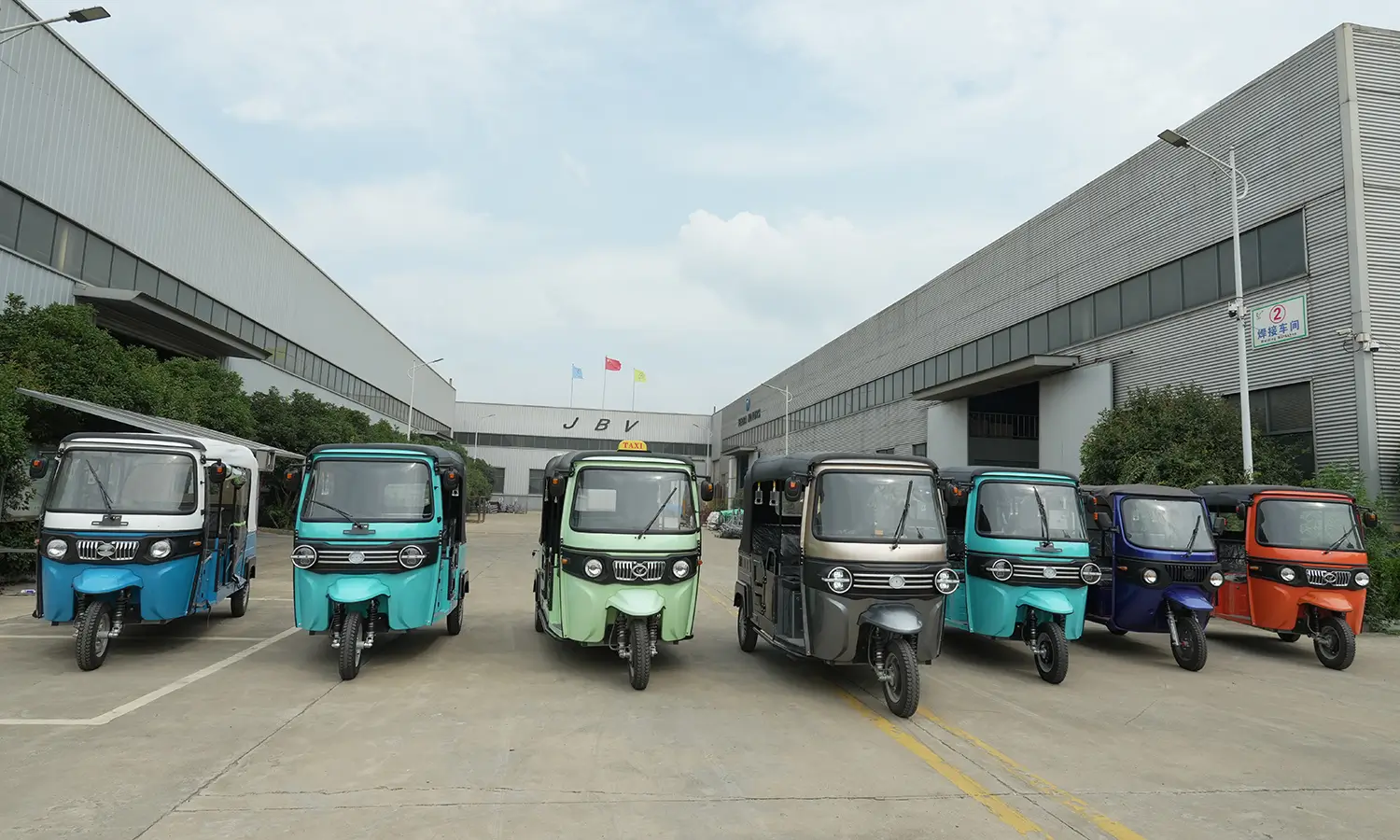
A more sustainable solution is emerging: the electric moto-taxi. Beyond being an upgrade to traditional moto-taxis, it represents a new paradigm for sustainable urban transport in Mexico—greener, smarter, and more efficient.
Studies show that even with a partially fossil-based grid, electric vehicles significantly reduce emissions compared to gasoline vehicles (NREL Report). This makes the adoption of electric moto-taxis in Mexico a practical step toward a cleaner transport future.
1. Environmentally Friendly: Zero Emissions and Cleaner Air for Mexican Cities
Zero Tailpipe Emissions
Electric moto-taxis generate no tailpipe emissions, reducing nitrogen oxides and particulate matter that worsen urban air quality. This is a crucial improvement for Mexico City’s air pollution challenge.
Life Cycle Impact
Studies highlight that while electric vehicles offer strong emission reductions, the full potential is achieved when paired with renewable energy sources (ResearchGate Study).
Charging Infrastructure Growth
Mexico’s charging network expanded from 100 stations in 2015 to over 3,300 by 2023, plus more than 28,000 home chargers (OUCI Data). This infrastructure supports scaling up electric three-wheelers in Mexico.
2. Efficient and Convenient: Tackling Congestion and the Last-Mile Challenge
During peak hours, cars often clog streets. Compact electric moto-taxis easily navigate congested roads and narrow alleys, improving travel times.
Bridging Last-Mile Gaps
They are ideal for last-mile mobility solutions in Mexico, connecting underserved neighborhoods with metro stations and bus lines.
Regulatory Evolution
Mexico City is updating traffic laws to regulate electric two- and three-wheelers. Requirements include registration, helmet use, headlights, and restrictions on sidewalks—formalizing electric moto-taxis in the transport ecosystem (Mexico Business News).
3. Economically Viable: Lower Costs and Income Opportunities
Lower Energy and Maintenance Costs
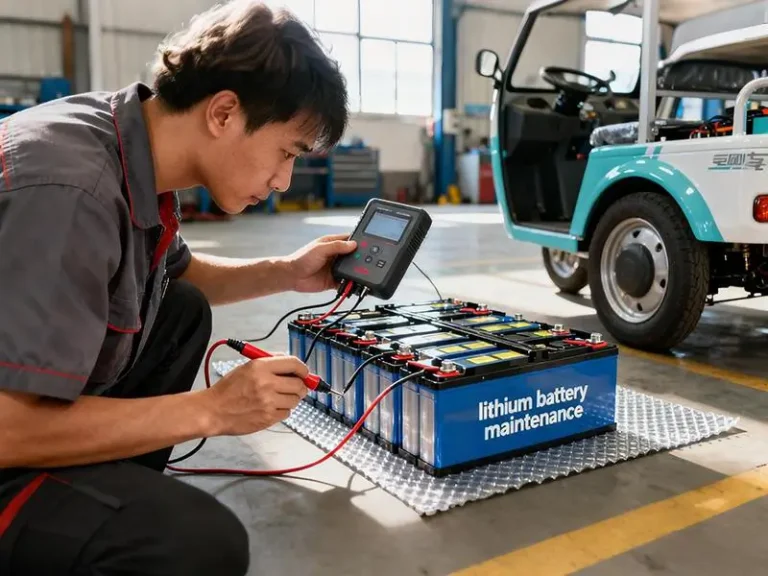
Electricity is cheaper than gasoline, and electric moto-taxi drivers in Mexico save money on both energy and maintenance thanks to simpler mechanics.
Upfront Investment Challenges
High battery and purchase costs remain obstacles, but government subsidies and mass production are reducing barriers (MDPI Journal).
Mexicali Case Study
In Mexicali, the government introduced the first electric taxis, aiming to scale to 50 units while adding charging stations. This shows electric mobility is already in practice in Mexico (Mexico-Now).
4. Smart Technology Integration: Digital and Safe Mobility
Passenger-Friendly Digital Services
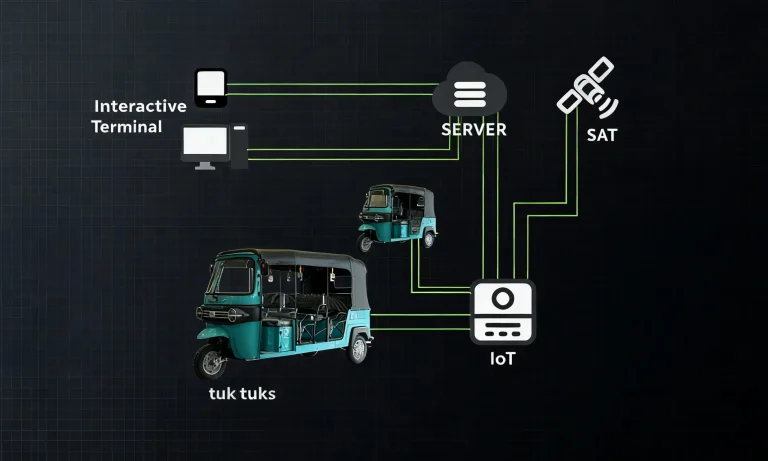
Modern electric moto-taxis integrate GPS, ride-hailing apps, and mobile payments, delivering seamless urban transport services.
Safety and Regulation
Equipped with LED lighting and advanced brakes, electric moto-taxis comply with new Mexico City safety regulations, improving reliability (Mexico Business News).
New Business Models
Ride-hailing platforms are exploring electric moto-taxi fleets, opening opportunities in shared mobility solutions and eco-friendly transport business models.
Conclusion: Toward Smarter, Greener Mobility in Mexico
The electric moto-taxi is more than a transport upgrade—it is a key driver of Mexico’s sustainable mobility future. With eco-friendly design, low costs, efficiency, and smart technology, electric moto-taxis can reshape urban mobility.
To realize their full potential, three conditions must advance in parallel:
- Green Power Supply – Increase renewable energy in the grid.
- Government Incentives – Subsidies and tax incentives to lower adoption barriers.
- Safety and Regulation – Clear legal frameworks to ensure reliable operations.
In the near future, fleets of electric moto-taxis may become a common sight across Mexico’s cities, symbolizing a shift toward smarter, greener, and more inclusive mobility.
FAQ
What is an electric moto-taxi?
An electric moto-taxi is a three-wheeled vehicle powered by an electric motor, commonly used for short-distance trips and last-mile mobility solutions in cities.
Why are electric moto-taxis important for Mexico?
They help reduce air pollution, lower traffic congestion, and provide affordable transport options for communities underserved by traditional public transit.