


Electric Tuk Tuk Maintenance Guide
Electric Tuk Tuks are rapidly becoming the preferred choice for resorts, hotels, factories, tourism operators, gated communities, and last-mile mobility businesses around the world. With lower operating costs, quiet performance, and zero emissions, they offer a highly attractive alternative to fuel-powered three-wheelers.
However, to maximize service life and reduce total cost of ownership (TCO), businesses must follow a well-structured Electric Tuk Tuk Maintenance program. Compared with gasoline tuk tuks, the maintenance workload for electric models is significantly lower—thanks to fewer moving parts, no engine oil, no spark plugs, and simplified drivetrains. Still, proper electric tuk tuk care remains essential to ensure safety, reliability, and battery health.
This guide provides a comprehensive, B2B-oriented maintenance framework covering key components, checklists, troubleshooting practices, lithium battery maintenance for tuk tuks, and fleet management strategies for large-scale operators.
Why Maintenance Matters for Electric Tuk Tuk
Maintaining an electric tuk tuk is not only about extending its lifespan—it is a core business requirement for fleet operators. Poor maintenance can result in higher breakdown rates, reduced battery efficiency, increased operating costs, and safety risks for passengers or cargo.
1. Lower Total Cost of Ownership (TCO)
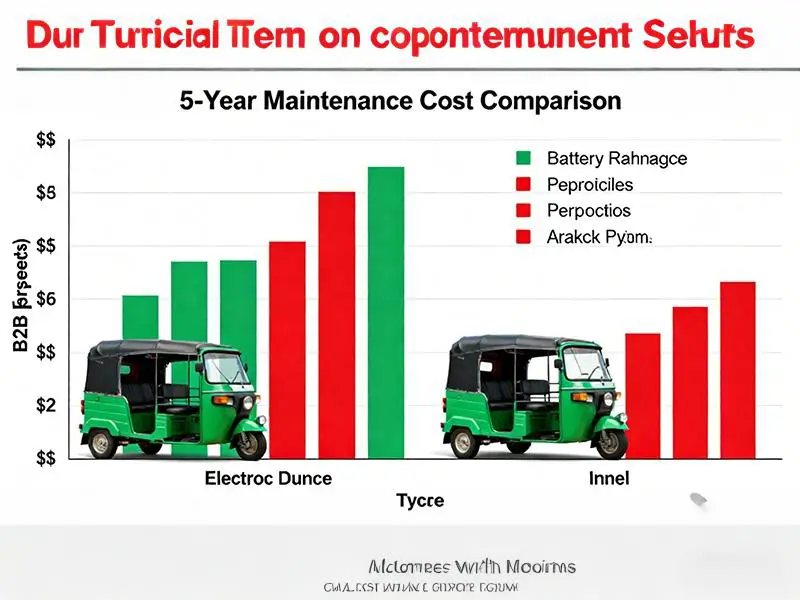
Electric models already save 30–50% compared with combustion tricycles in maintenance cost. A disciplined maintenance program further reduces unexpected repair expenses and downtime.
2. Longer Battery Lifespan
The battery is the most valuable component—sometimes accounting for 35–50% of the vehicle’s cost. Proper electric tuk tuk battery maintenance can extend battery life by 2–3 years.
3. Compliance With Safety Standards
Fleet operators should follow global EV safety principles, such as the ISO 6469 standard for rechargeable energy storage systems (RESS). Regular checks ensure the battery, wiring, connectors, and BMS operate within safety parameters.
4. Improved Reliability and Uptime
Commercial operators—especially hotels, tourism parks, and community operators—need the tuk tuks to run consistently during peak service hours. Maintenance helps avoid unexpected failures.
5. Brand Reputation & Passenger Safety
For tourism operators and hotels, the service quality of tuk tuks reflects the business’s overall brand. Reliable vehicles improve customer experience and reduce complaints.
Key Components to Maintain
Electric tuk tuks have fewer parts than combustion models, but certain components require regular inspection to ensure safety and performance.
1. Battery Pack (Lithium or Lead-Acid)
As the heart of the EV tricycle, the battery requires consistent care:
- Voltage balance check
- BMS (Battery Management System) data review
- Temperature monitoring
- Connector and cable inspection
- Charge/discharge cycle monitoring
Lithium batteries need fewer cycles and provide longer lifespan, but require proper health management.
2. Electric Motor
Maintenance includes:
- Heating check
- Abnormal noise detection
- Shaft inspection
- Dust and debris removal
Brushless motors require almost no internal maintenance, but external visual checks are important.
3. Controller & Electronics
The controller manages acceleration, regeneration, torque, and protection modes.
- Ensure connectors are tight
- Inspect waterproofing
- Check for overheating or burnt smell
4. Chassis and Suspension
Even if the power system is electric, the structure still needs physical inspection:
- Front fork
- Rear shocks
- Frame welding points
- Anti-rust coating
- Structural torque checks
5. Braking System
Safety-critical for all fleets:
- Brake pads wear
- Brake fluid (if hydraulic)
- Drum/Disc inspection
- Brake cable tension
6. Tires and Wheels
Tire maintenance affects safety, range, and comfort:
- Pressure inspection
- Tread depth check
- Wheel alignment
7. Lighting and Safety Accessories
- LED headlights
- Turn signals
- Horn
- Reverse buzzer
- Mirrors
A well-maintained tuk tuk ensures safe operation, especially for passenger fleets.
Daily / Weekly / Monthly Maintenance Checklist
Below is a B2B-ready EV tricycle maintenance checklist for fleet operators. Feel free to use directly in your operations manual.
Daily Checks (Before Operation)
- ✓ Check battery SOC (State of Charge)
- ✓ Ensure the vehicle is fully charged
- ✓ Inspect tire pressure and visible damage
- ✓ Verify headlights, indicators, and horn
- ✓ Check brake lever feel and braking response
- ✓ Look for loose cables or unusual smells
- ✓ Clean windshield and mirrors
Goal: Safety & readiness for daily operations.
Weekly Checks
- ✓ Inspect brake pads and cables
- ✓ Review BMS logs (temperature, cycles, voltage imbalance)
- ✓ Check chassis bolts and body panels
- ✓ Clean the battery compartment
- ✓ Check for corrosion at connectors
- ✓ Verify suspension condition
Goal: Prevent minor issues from becoming costly breakdowns.
Monthly Checks
- ✓ Full system diagnostic with OBD/EV analyzer
- ✓ Inspect controller casing & heat dissipation
- ✓ Retorque wheel nuts and structural bolts
- ✓ Lubricate mechanical joints
- ✓ Inspect wiring harness for aging/wear
- ✓ Clean and protect electrical contacts
- ✓ Update fleet maintenance logs
Goal: Deep maintenance to extend lifespan and reliability.
Battery Care & Charging Rules
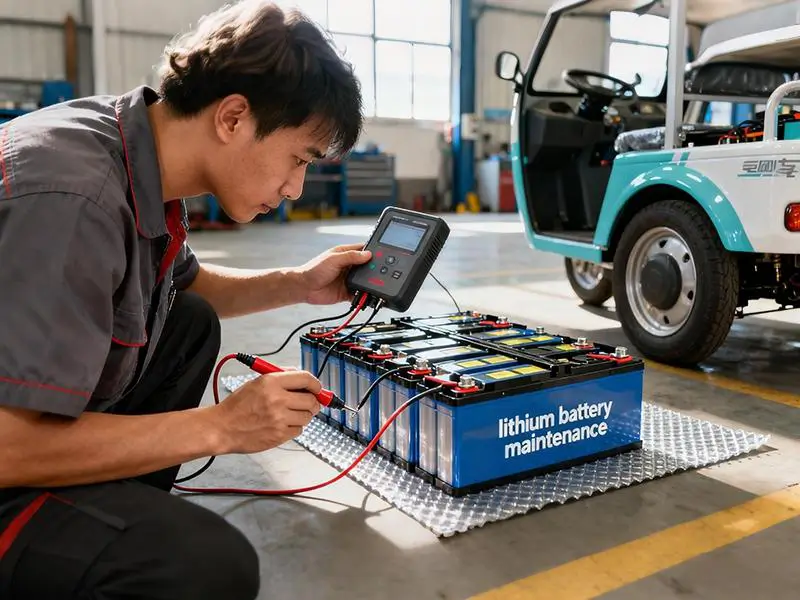
Battery care is the most essential part of Electric Tuk Tuk Maintenance. Proper lithium battery maintenance for tuk tuks can double the lifespan of the pack.
1. Charging Rules
- Charge using the original charger only
- Keep charging temperature between 10–45°C
- Avoid charging immediately after heavy use (let it cool)
- Maintain SOC between 20–90% for daily cycles
- Avoid deep discharge below 10%
2. Storage Rules
If the vehicle is not used for >10 days:
- Keep battery at 50–60% SOC
- Store in a dry, ventilated area
- Avoid direct sunlight or freezing temperatures
- Recharge every 30 days
3. Safety Standards
Follow safety guidelines referenced from ISO 6469-1/2/3:
- Only trained staff can open battery compartments
- Avoid water on open terminals
- Stop operation immediately if the BMS warns of abnormal voltage or temperature
4. Common Battery Mistakes
- Overcharging overnight
- Using non-certified chargers
- Letting the battery fully discharge frequently
- Storing the vehicle in extreme heat
Warning Signs of Battery Problems
- Swelling battery cells
- Burning smell
- Sudden loss of power
- Rapid temperature rise during charging
Common Problems & Troubleshooting
Below are the most frequent issues in electric tuk tuks and how to diagnose them.
1. Vehicle Does Not Start
Possible Causes
- Low SOC
- Loose battery connector
- Blown fuse
- Controller malfunction
Troubleshooting
- Check battery voltage
- Inspect main fuse
- Check BMS communication
- Reset the controller
2. Reduced Driving Range
Possible Causes
- Under-inflated tires
- Aging battery
- Heavy payload
- Frequent stop-and-go operations
Solution
- Pump tires to recommended pressure
- Perform BMS capacity test
- Reduce unnecessary weight
3. Motor Overheating
Causes
- Overloading
- Long continuous uphill driving
- Controller fault
Solution
- Allow cooling period
- Check motor vents
- Inspect controller MOSFET temps
4. Weak Braking Performance
Causes & Solutions
- Brake pads worn → Replace
- Cable loose → Adjust tension
- Brake disc dirty → Clean
5. Charging Failure
Causes
- Faulty charger
- Loose plug
- Voltage mismatch
- BMS lock
Solution
- Swap charger
- Inspect charging port
- Reset BMS
Cost of Maintenance (B2B Perspective)
Electric tuk tuk maintenance cost is significantly lower than fuel tuk tuks. Below is a typical cost structure for fleet buyers:
1. Annual Maintenance Cost (Electric)
| Item | Cost (Avg.) |
|---|---|
| Battery Check & Diagnostics | Low |
| Tires | Low |
| Brake Service | Low |
| Motor & Controller | Minimal |
| Total Annual Cost | 30–50% lower than fuel tuk tuks |
2. Fuel Savings
Electric charging costs are 70–90% lower than gasoline refueling for the same mileage.
3. Battery Replacement Cost
Battery replacement every 3–5 years:
- Lead-acid: lower cost, shorter life
- Lithium: higher cost, longer life
Fleet operators usually choose lithium for better lifetime ROI.
Fleet Maintenance Tips for Resorts, Hotels, Factories
Large-scale operators must treat EV fleet management as a systematic process.
1. Create Centralized Charging Zones
- Waterproof charging bays
- Smart chargers
- Fire-resistant storage area
- Dedicated ventilation
2. Schedule Preventive Maintenance
- Daily check by drivers
- Weekly check by technicians
- Monthly deep inspection
3. Track Battery Health Digitally
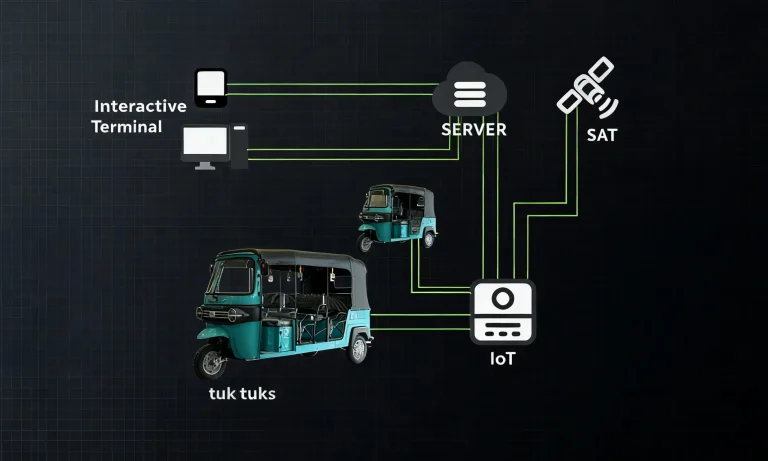
- Use BMS cloud platforms
- Monitor SOH (State of Health)
- Check cycle counts
4. Train Drivers Properly
Most battery failures come from incorrect use—not manufacturing defects.
Train operators on:
- Avoiding overloading
- Charging routines
- Safe parking and storage
5. Keep Spare Vehicles Ready
To avoid downtime, hotels and parks typically keep 5–10% standby vehicles.
Final Summary
Electric Tuk Tuks offer a low-cost, low-maintenance, eco-friendly transportation solution for global B2B buyers. While their maintenance needs are far lower than traditional fuel tuk tuks, a structured care program is essential for maximizing battery life, improving uptime, and reducing TCO.
By following the daily, weekly, and monthly checklists—and applying proper electric tuk tuk battery maintenance practices—businesses can ensure safe operation, long service life, and strong ROI across their fleets.
CTA for B2B Buyers
If your business needs OEM/ODM electric tuk tuk solutions, fleet quotations, or customized models for resorts, hotels, tourist attractions, or commercial logistics, feel free to contact us.
We help global distributors and fleet operators build reliable, long-lasting EV tuk tuk fleets.
FAQ (People Also Ask)
1. How often should you service an electric tuk tuk?
Light inspections should be done daily, with weekly and monthly detailed checks. A full diagnostic is recommended every 3–6 months.
2. Do electric tuk tuks require more maintenance than fuel tuk tuks?
No. Maintenance is much easier—no engine oil, spark plugs, carburetors, or exhaust systems.
3. How do you maintain an electric tuk tuk battery?
Keep SOC between 20–90%, avoid extreme temperatures, charge with the original charger, and monitor BMS data regularly.
4. What is the lifespan of a lithium battery in a tuk tuk?
Typically 3–5 years depending on cycle usage and charging habits.
5. Can electric tuk tuks operate in rainy or humid environments?
Yes. They are designed with waterproof connectors and IP-rated components, but proper sealing and storage are recommended.