


What is a Tuk Tuk Car?
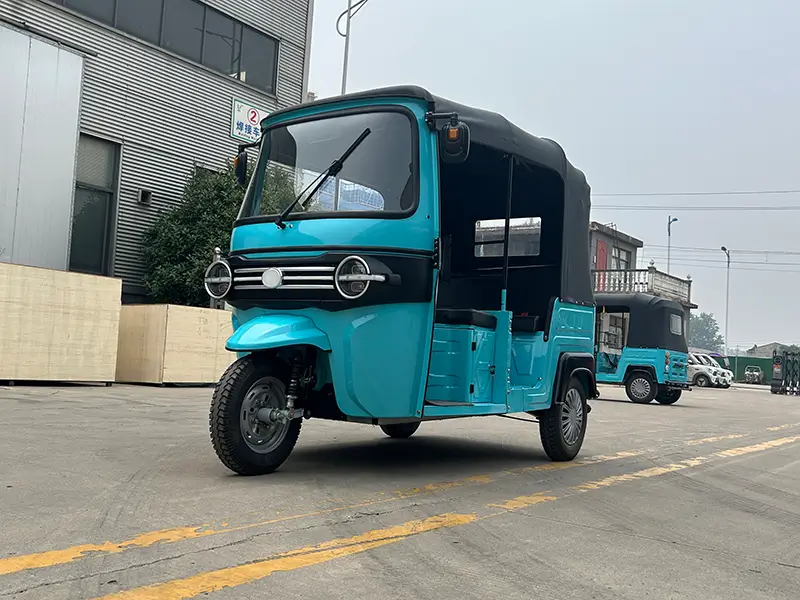
A tuk tuk car, also known as an auto rickshaw or tuk tuk vehicle , is a motorized three-wheeled vehicle widely used for short-distance urban transport, particularly in Asia. Named for the distinctive sound of its engine, it traditionally features an open-air design with a driver’s cabin in the front and passenger seating in the rear, allowing it to maneuver efficiently through crowded city streets.
In recent years, electric tuk tuks have become increasingly popular, offering the same agility and compact size while replacing the conventional gasoline engine with a quiet, zero-emission electric powertrain. These electric models provide smoother acceleration, lower operating costs, and enhanced environmental sustainability, making them a modern, eco-friendly upgrade to the classic tuk tuk.
1. The Origin of the Tuk Tuk Car Name: From Sound to the World
The name “Tuk Tuk” originates from the “thu-thu” sound made by early gasoline-powered three-wheeled vehicles when they were started. While it has different names in different regions—for example, the Auto Rickshaw in India and the Tricycle in the Philippines—the term “Tuk Tuk car” is universally used in Thailand and Western countries. However, they all refer to the same small, three-wheeled vehicle characterized by its compact size and high maneuverability.
This widespread name has also transformed the Tuk Tuk car into a cultural symbol. In Thailand, the Tuk Tuk car has even become a part of tourism, attracting numerous foreign tourists to check in, take photos, and ride, creating a highly commercially valuable platform.
2. History: From Rickshaw to Electric Smart Three-Wheeled Vehicle
The evolution of the Tuk Tuk car can be traced back to the hand-pulled rickshaw (which is why the Tuk Tuk car is also called the auto rickshaw) in the late 19th century. With the advancement of industrialization, it gradually evolved into a motorized three-wheeled vehicle, widely used on urban streets in South Asia, Southeast Asia, and Africa.
In the mid-to-late 20th century, gasoline-powered Tuk Tuk cars became an important means of urban transportation in many developing countries. With growing global environmental awareness and the advancement of electric technology, electric Tuk Tuk cars (especially lithium-ion battery versions) have rapidly gained popularity in recent years. For example, under the Indian government’s FAME policy, electric three-wheeled vehicles received substantial subsidies, driving the development of the new energy three-wheeled vehicle industry (source).

3. Why should businesses pay attention to Tuk Tuk Cars?
The Tuk Tuk car is more than just a means of transportation; it’s also a low-cost, highly flexible, and sustainable business vehicle. It’s widely applicable in tourism, shuttle services, urban transportation, and commercial operations, making it a popular choice for emerging markets and innovative companies worldwide. The following are Tuk Tuk car’s five core benefits for enterprise users:
✅ 1. Highly cost-effective, superior to traditional vehicles in all aspects
The Tuk Tuk car offers significant advantages over traditional fuel vehicles or four-wheel electric vehicles in terms of procurement cost, operating cost, and operational efficiency. For example, the purchase cost of an electric Tuk Tuk car is only 30%-50% of that of a new energy microcar. It also offers lower power consumption, simpler maintenance, and widely compatible parts, facilitating ongoing maintenance.
This makes it ideal for large-scale deployments, such as scenic area shuttles, park shuttles, and short exhibition shuttles, which are sensitive to payback periods, significantly improving return on investment (ROI).
✅ 2. Ultra-Long Range, Supports Dual-Battery Swapping System
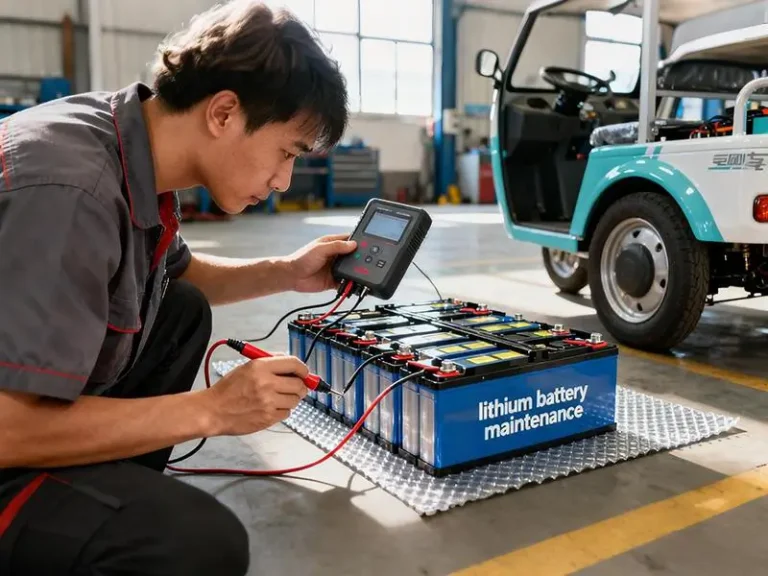
To meet the demands of long-duration, high-frequency operation, modern Tuk Tuk cars now feature a dual-battery hot-swappable system, enabling quick battery replacement and a maximum range of 300-400 kilometers (depending on the specific battery and configuration).
This configuration is particularly suitable for scenarios requiring continuous operation without downtime, such as urban sanitation, 24/7 scenic area operations, and long-distance connections, significantly improving vehicle efficiency and service continuity.
✅ 3. Green Travel, Supporting Enterprises’ Low-Carbon Transformation
Tuk Tuk cars are mostly pure electric, using lithium or lead-acid batteries as their power source, achieving zero emissions and low noise operation. They are ideal for use in areas with strict environmental requirements, such as closed urban roads, pedestrian streets, scenic areas, and industrial parks.
For businesses and government projects implementing ESG strategies or advancing carbon neutrality goals, Tuk Tuk cars are an ideal sustainable mobility solution.
✅ 4. Controllable Costs and Easy Scale-Up
Due to its simple structure, standardized core components, and low maintenance requirements, the Tuk Tuk car offers significant advantages in terms of ongoing operational costs. Whether for initial pilots or large-scale deployments of dozens or more, the funding burden is manageable, making it ideal for B2B users with limited budgets who need to quickly launch projects.
✅ 5. Versatile Expansion Supports Diverse Business Models
The Tuk Tuk car boasts a highly modular structure, allowing it to be flexibly modified into various forms, such as tourist sightseeing vehicles, mobile vending machines, coffee carts, wedding shuttles, and advertising vehicles, providing businesses with more opportunities for revenue generation and brand exposure.
Particularly in the hotel, cultural and tourism real estate, commercial complexes, and urban marketing sectors, the Tuk Tuk car is becoming a new generation of creative mobile solutions, combining brand communication with commercial value.
4. Modern Tuk Tuk Car: Smarter Features
In recent years, electric Tuk Tuk cars have undergone significant upgrades in features and configurations, better meeting the needs of business users:
- Electric system: Supports 48V/60V/72V motors, with a range ranging from 50km to 120km;
- Passenger capacity: Available 3-9 seating configurations to suit different transportation scenarios;
- Comfort features: Sunshade roof, fan, LED lights, audio system, etc.;
- Smart features: Optional GPS positioning, app-based ordering system, onboard advertising screen, etc.
5. Global Application Examples: Diverse Tuk Tuk Car Applications
US/Europe
- Used for city sightseeing, electric touring, and short-distance shuttles;
- For example, the Go Tuk’n provides exclusive sightseeing services, incorporating audio guides to enhance the visitor experience.
Middle East and Africa
- Widely used as a commuter vehicle in cities like Cairo and Nairobi;
- Alternative to motorcycles, improving safety and capacity.
China and Southeast Asia
- Provides transportation to tourist attractions such as Lijiang, Phuket, and Bali;
- Provides eco-friendly transportation within enclosed parks and commercial streets;
- Ideal for short-distance transportation between hotels and scenic spots.
Mobile Commercialization
- Can be converted into a coffee cart, bar cart, or mobile market cart;
- Suitable for participating in exhibitions and festivals, enhancing the sense of interaction.
6. The Future of Tuk Tuk Car: Evolving Towards Intelligence and Branding
The future Tuk Tuk car will be more than just a means of transportation; it will also incorporate more intelligent and commercial elements:
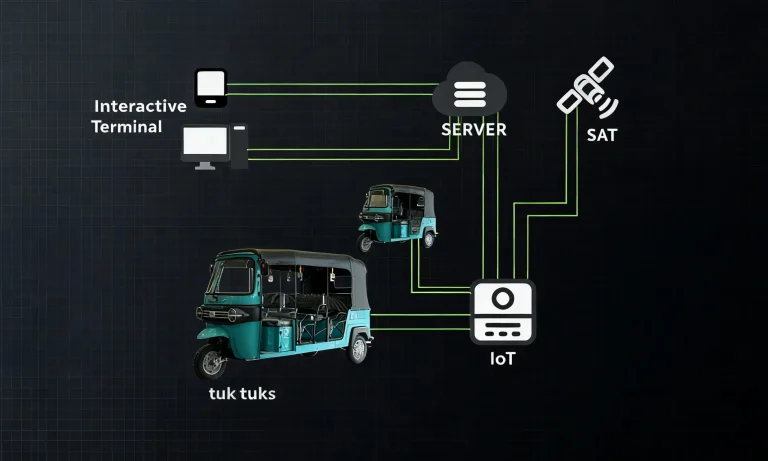
- Support app-based dispatching, online payment, and remote operation and maintenance;
- Integrate with smart city systems and access transportation cloud platforms;
- Offer customized branding and collaboration options (such as with travel groups and real estate brands);
- Explore autonomous Tuk Tuk car prototypes (already being piloted by companies like AutoX).
Market trends suggest continued expansion for Tuk Tuk cars, particularly in emerging markets such as India, Southeast Asia, Latin America, and Africa.
7. Conclusion: Tuk Tuk Car Represents an Opportunity for Transforming Future Travel and Business
For B2B customers, whether for travel, city connections, mobile commerce, or brand promotion, Tuk Tuk car is a highly cost-effective and culturally influential option.
Amid the global trend toward sustainable development and electric transportation, now is the perfect time to partner with Tuk Tuk car manufacturers. You’re not just purchasing a vehicle; you’re entering an ecosystem for future mobility.
FAQ
Is the Tuk Tuk vehicle easy to drive?
1.Simple Operation:
It has both a Forward and Reverse function.
When driving forward, there are three gears to choose from.
The driving process is straightforward: Turn the ignition key $\rightarrow$ Select the gear $\rightarrow$ Twist the throttle $\rightarrow$ Start moving.
2.Safety Features:
Equipped with turn signals.
When reversing, it usually comes with a reverse camera/parking assist.
3.Low Barrier to Entry:
No professional training is required to operate it
Why has the Tuk Tuk been able to replace cycle rickshaws in many regions
The Tuk Tuk offers faster speeds and higher efficiency compared to the traditional rickshaw.
In the context of urban development and increasing transportation demands, Tuk Tuks are capable of covering longer distances, carrying more passengers, and require less physical exertion from the driver. Consequently, they have become the mainstream form of short-distance transportation in many Asian countries.